Practising what we preach: building the 5874 website with DatoCMS
We recommend DatoCMS to our clients. So, naturally, we use it ourselves.
At 5874, we spend a lot of time helping clients choose the right technology for their websites and digital platforms. That means we're conscious of the difference between recommending a technology because it looks good on a feature list and recommending it because we've actually used it, pushed it and know how it performs in the real world.
DatoCMS is a platform we recommend for headless website projects. When the time came to rebuild our own website, there was therefore a pretty obvious question: would we be happy making the same technology choices for ourselves that we recommend to our clients?
The answer was yes.
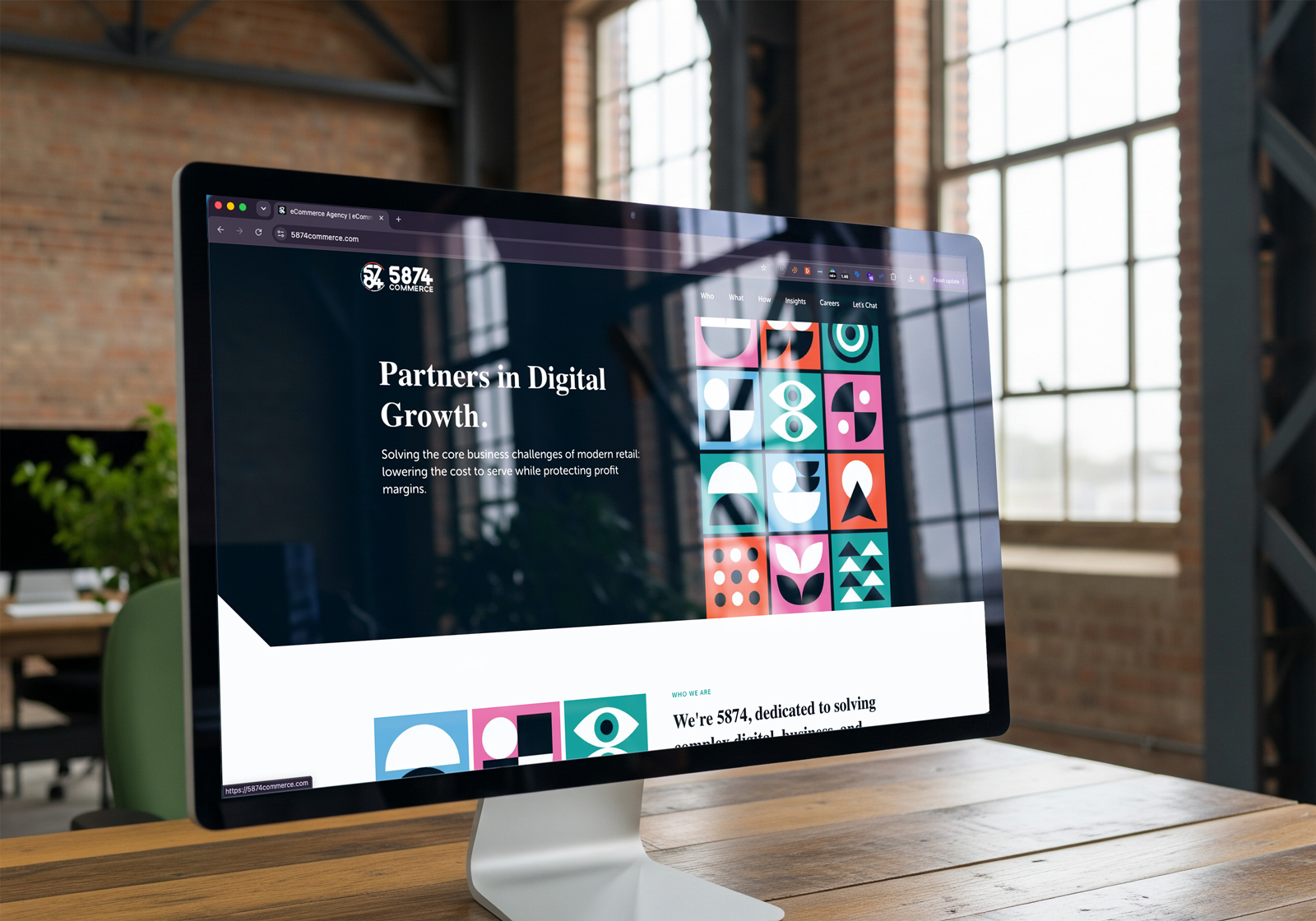
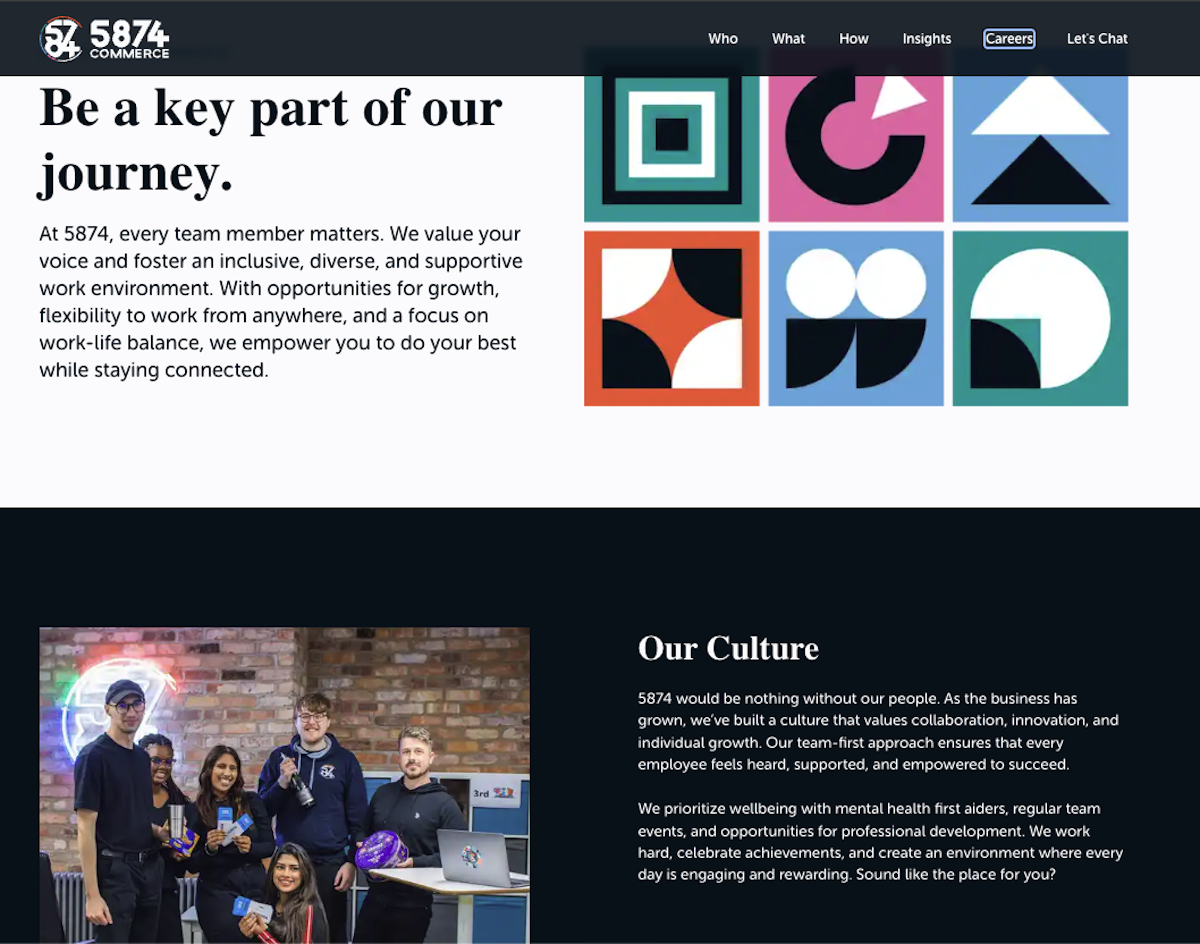
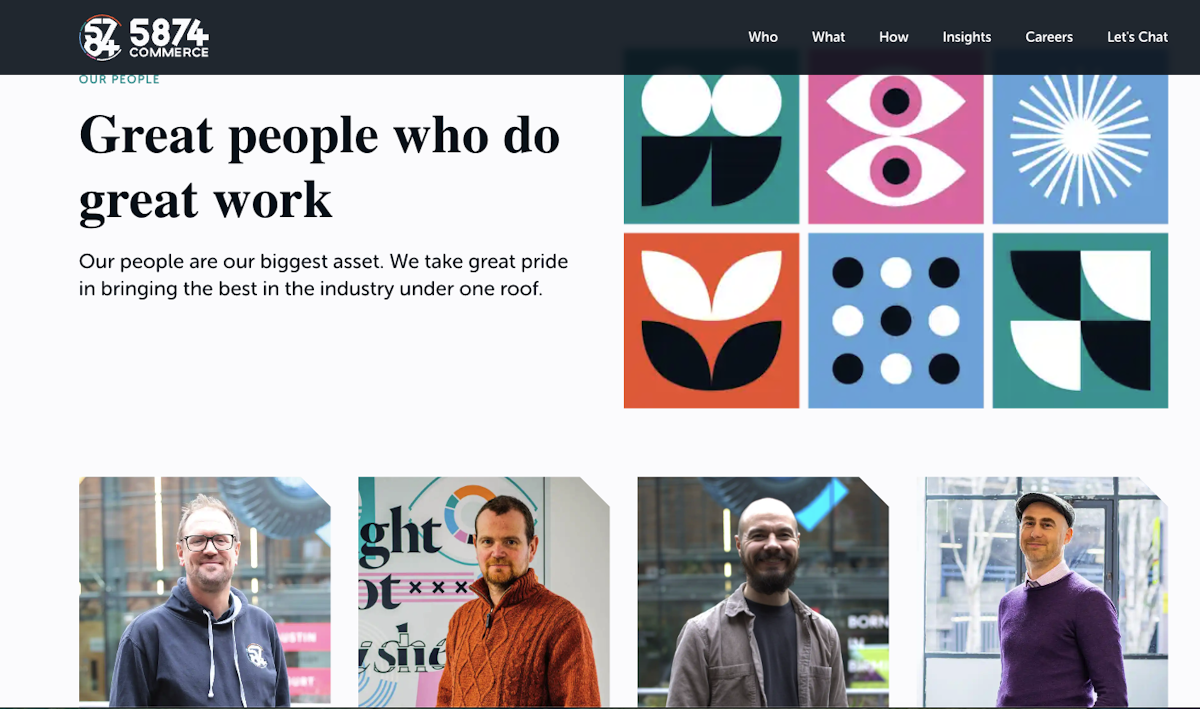
We built the 5874 website using DatoCMS as our headless content management system, paired with a bespoke Next.js frontend and deployed through Vercel.
It means our own marketing team now works with the same kind of headless architecture that we design and build for our clients every day.
For us, that's important. We wouldn't recommend a technology to a client that we wouldn't be happy using ourselves.
A headless architecture built around performance
The new 5874 website was built from the start around a modern headless architecture. DatoCMS provides structured content for our marketing team, while our custom Next.js frontend independently manages the presentation. Decoupling content from presentation gives us total freedom to design optimal frontend experiences without traditional CMS theme constraints.
We deployed to Vercel for modern application infrastructure, utilising its caching capabilities to maximise speed and content delivery. Performance was a key architectural priority from inception.
This gives each component a distinct role: DatoCMS manages content, Next.js controls the user experience, and Vercel handles delivery.
Flexibility without sacrificing control
Flexibility was a key project requirement due to the 5874 website's diverse content types and distinct presentation needs.
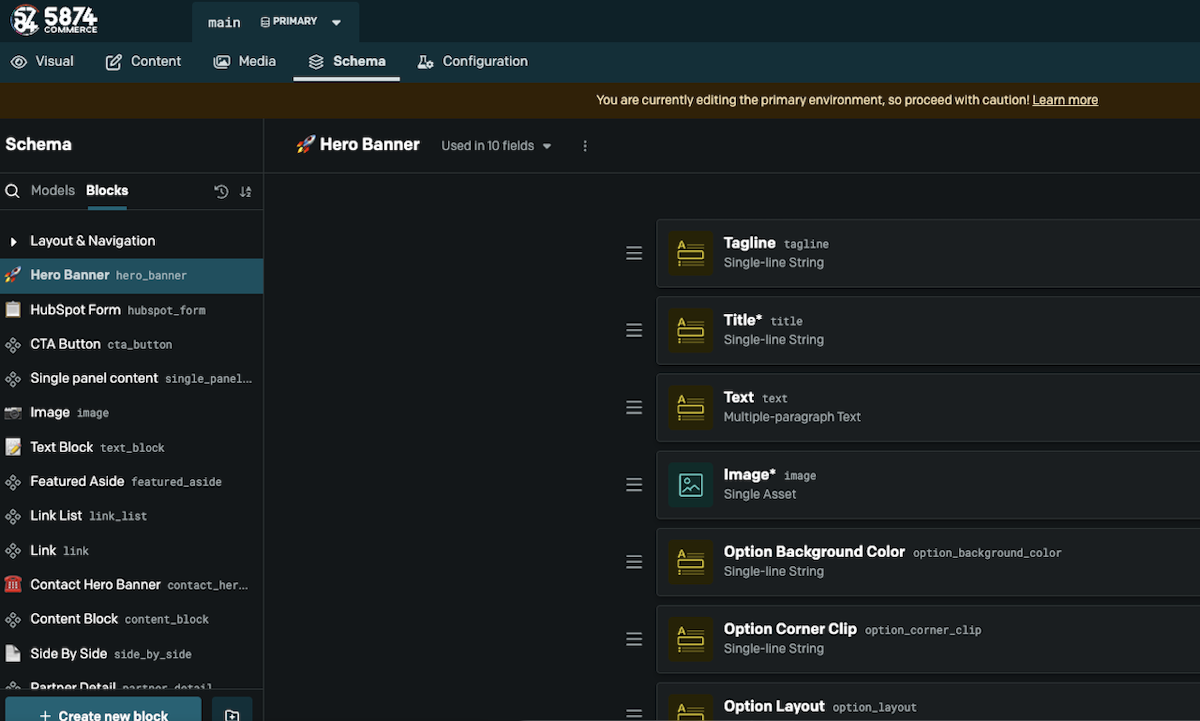
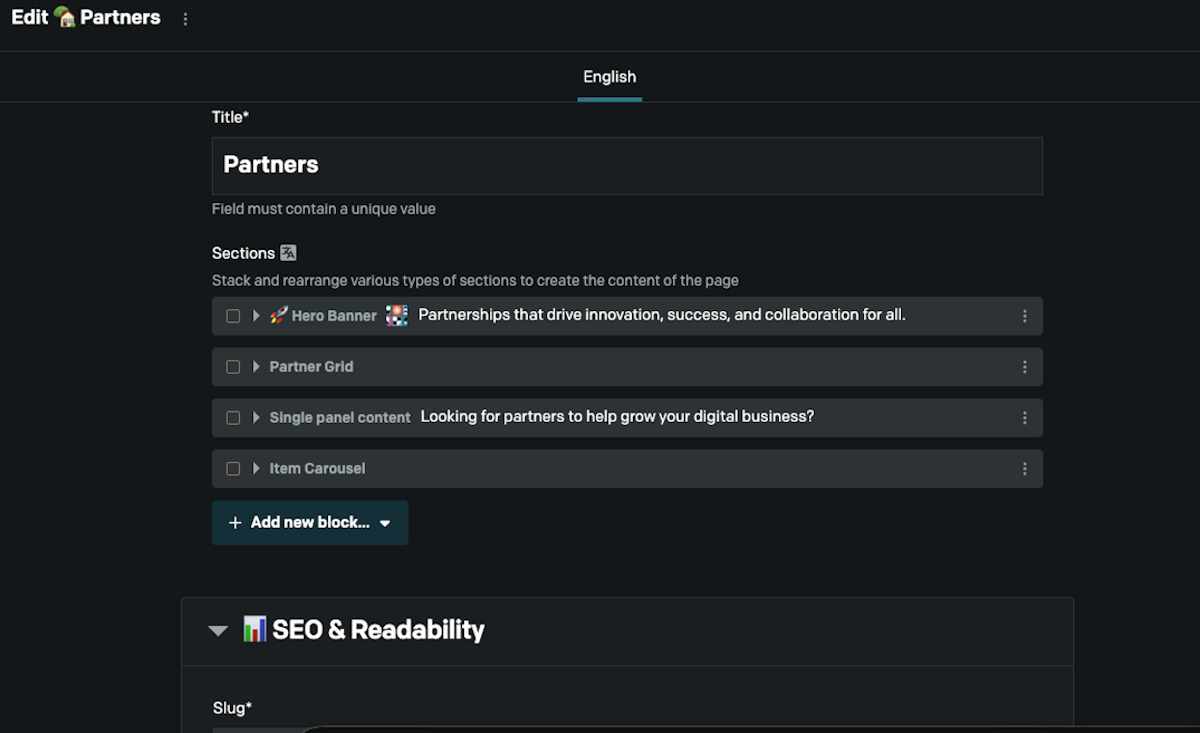
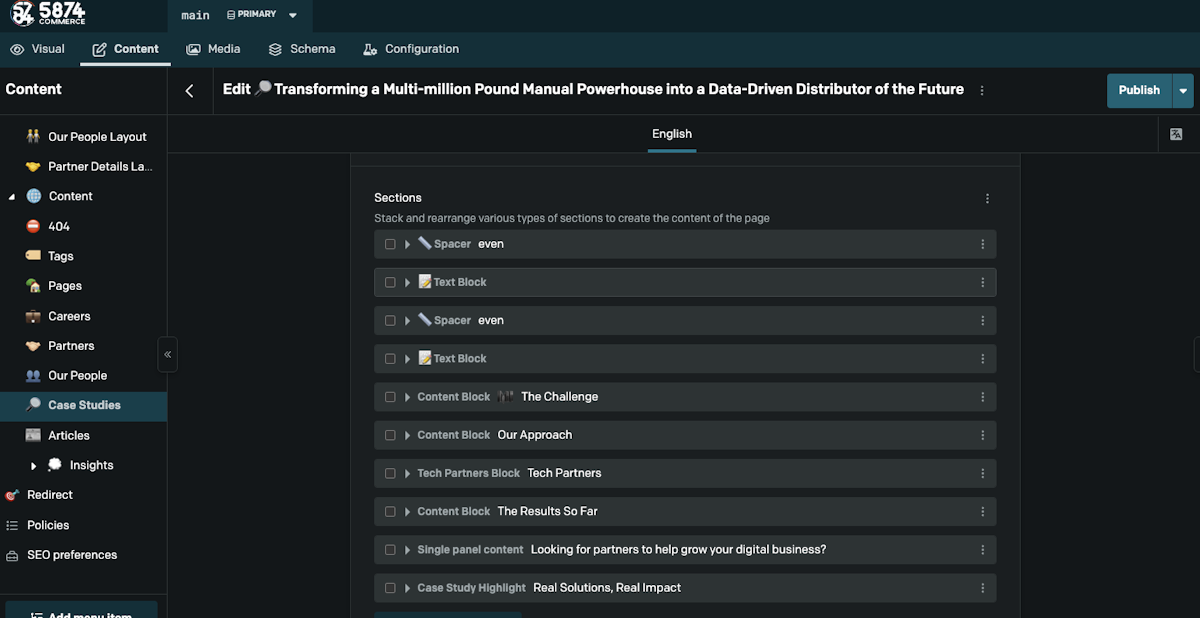
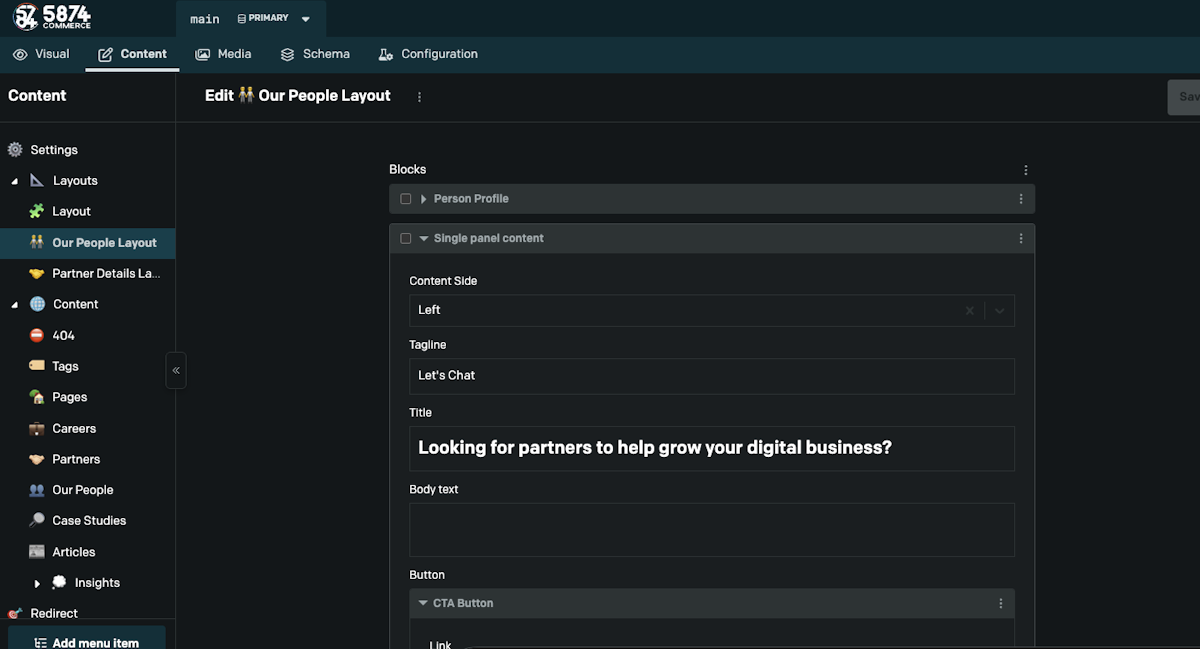
Instead of rigid page templates, we built custom layouts, reusable components, and frontend widgets powered by DatoCMS's structured content.
This setup gives the marketing team freedom to construct pages without sacrificing brand consistency or maintenance standards.
These reusable building blocks allow editors to easily configure components while keeping the core design system and code fully controlled.
Making the CMS work for the people who actually use it
Building the frontend was only part of the project; we also wanted to improve the experience behind the website.
Moving from our previous CMS was an opportunity to rethink how content was structured rather than simply recreate the old system. Content migration between platforms is straightforward, but the bigger opportunity is evaluating whether the previous organisation still makes sense.
On our old site, identical information was managed in multiple places. Updating it meant finding several pages manually, which was time-consuming and risked inconsistent updates.
Using DatoCMS's flexible content modelling, common information is now managed centrally and referenced where needed. Updating source content once reflects changes site-wide.
For the marketing team, this brings fewer repetitive updates, less duplication, and reduced risk of inconsistency—allowing more time for creating quality content rather than CMS administration.
Migrating and improving our existing content
Migrating to DatoCMS didn't mean starting from scratch. 5874 directly transferred our existing website content, preserving key material while restructuring it for the new model.
Rather than copy-pasting, we used the migration to refine our content. We simplified complex areas, turned repeated information into reusable content, and optimised fields for frontend consumption.
A headless CMS with a flexible content model lets you define what content is and how pieces relate, not just where they live. This simplifies management today and creates a stronger foundation for future reuse.
Building SEO and AEO into the content model
Modern search requires content to be understandable for both traditional SEO and machine-driven search experiences like answer engines. We integrated this approach directly into our platform.
Using DatoCMS plugins and structured content fields to manage schema markup, our team can control structured data in the CMS while the frontend implements it on the site. This enhances SEO and prepares us for AEO (Answer Engine Optimisation) with clear, machine-readable context.
Integrating these controls into DatoCMS keeps structured data manageable within our standard publishing workflow, letting editors focus on content creation while the system handles the technical execution.
Using our own website as a proving ground
There's another benefit to using the same technology that we recommend and implement for clients: we experience it from both sides.
We don't just work with DatoCMS as developers configuring schemas, integrations and frontend components. We also have our own team using the platform to manage a real, evolving website.
That gives us first-hand experience of the questions that matter after launch.
Is it easy to manage? Are common updates quick to make? Does the content structure still make sense six months later? Can marketing create what they need without constantly asking a developer for help? And when requirements change, how easily can the platform evolve with them?
Those experiences feed directly back into the work we do for our clients.
We're not recommending DatoCMS based solely on what the platform can do.
We're using it ourselves.
The result
The finished 5874 website combines DatoCMS, a bespoke Next.js headless frontend and Vercel's modern hosting and delivery infrastructure to create a platform that's fast for visitors, flexible for developers and straightforward for our marketing team to manage.
Behind the visible website sits a carefully considered content model that reduces duplication, centralises reusable information and gives editors control over the content that matters without exposing them to unnecessary technical complexity.
Our migration from the previous CMS also gave us the opportunity to rethink rather than simply replicate. Existing content was moved into DatoCMS, but the structures around it were streamlined and improved along the way.
Custom layouts and frontend widgets give us the flexibility to create richer pages, while our implementation of structured data and schema markup supports both traditional SEO and the growing importance of AEO.
Most importantly, it's a platform we're happy to work with every day.
And when we're talking to a client about why we think DatoCMS could be the right choice for their next website, we can point to our own.
We practice what we preach.